
BRICS leaders adopted the New Delhi Declaration on Saturday, expressing grave concern about escalating violence in the Middle East and calling for maximum restraint, dialogue and diplomatic solutions.
The declaration was agreed at a summit attended by leaders and representatives from Brazil, Russia, India, China, South Africa, Egypt, Ethiopia, Indonesia, Iran and the United Arab Emirates.
Reaching common language was politically difficult because Iran is directly involved in the regional conflict while the United Arab Emirates maintains close security ties with the United States. The final text avoided assigning responsibility to individual countries.
The group also criticized unilateral sanctions and tariff or non-tariff measures that members said disrupt international trade. BRICS reiterated support for a multilateral system centred on the United Nations and international law.
Indian Prime Minister Narendra Modi said the organisation should not be viewed as anti-Western and emphasized practical cooperation. Chinese President Xi Jinping urged BRICS to take a stronger peacemaking role and confirmed China would hold the group’s presidency in 2027.
The declaration supported broader representation for developing countries in global institutions and discussed cross-border payment cooperation using local currencies. It stopped short of advancing a common BRICS currency.
The impact of the summit will depend on whether members can turn broad consensus into coordinated diplomacy. Their different security relationships and economic priorities may continue to limit collective action despite the joint statement.
Sources: Reuters; Associated Press.
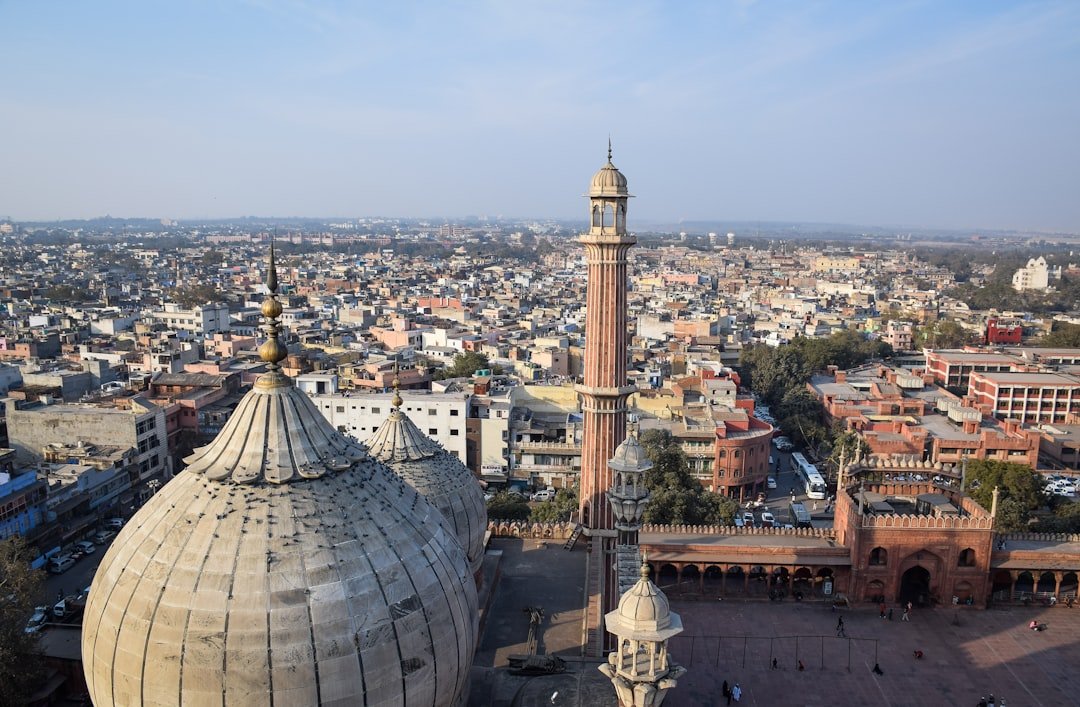
Featured photo: Sergio Capuzzimati/Unsplash.