
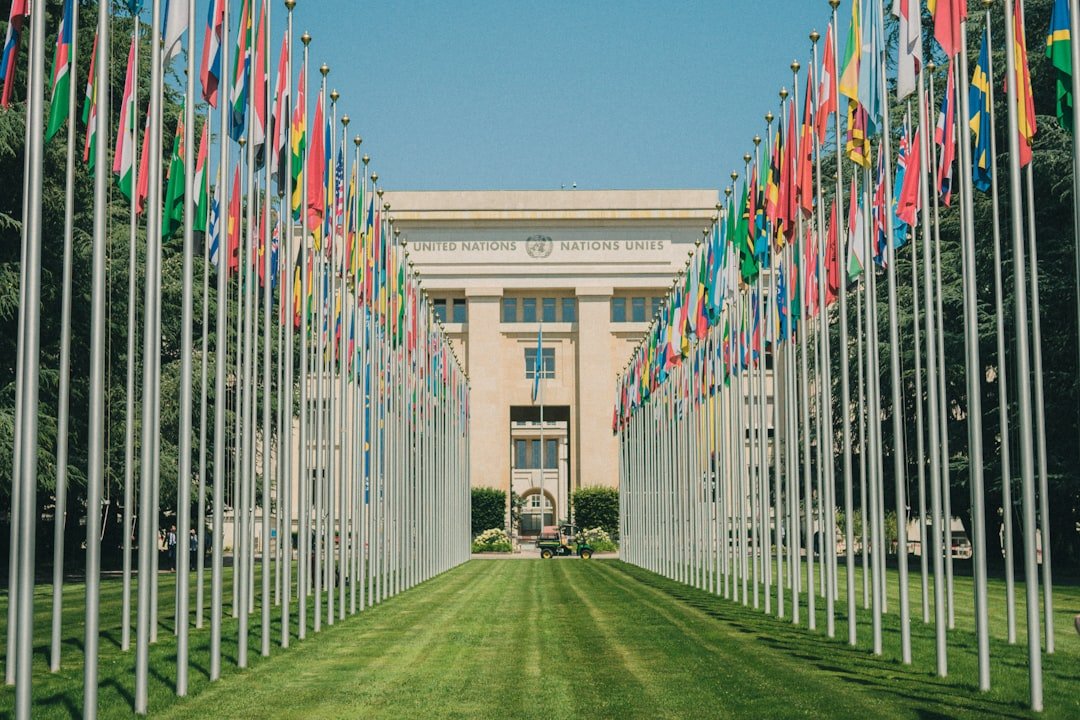
GENEVA — The Human Rights Council examined intimidation and reprisals against people cooperating with the United Nations during an interactive dialogue at its 63rd session on 23 September.
The discussion centred on the Secretary-General’s report concerning activists, victims, witnesses, lawyers and human-rights defenders who faced punishment or threats after engaging with UN mechanisms.
Delegations stressed that safe cooperation with the United Nations is essential because independent testimony enables international bodies to understand abuses that governments may conceal.
Forms of retaliation can include surveillance, travel restrictions, arbitrary detention, threats against relatives, online harassment and pressure designed to silence civil society.
The European Union called for allegations to be investigated and for states to protect everyone seeking to communicate with UN representatives and mechanisms.
Participants also underlined that reprisals weaken the credibility of the multilateral human-rights system by preventing affected communities from speaking freely before international institutions.
The dialogue reinforced calls for governments to end intimidation, provide remedies to victims and cooperate with UN follow-up procedures on unresolved cases.
References
- European Union — HRC63 dialogue on cooperation with the United Nations
- UN Web TV — 24th meeting of the 63rd Human Rights Council session
- OHCHR — Reports before the 63rd session
Featured photo: Gavin Li/Unsplash.