
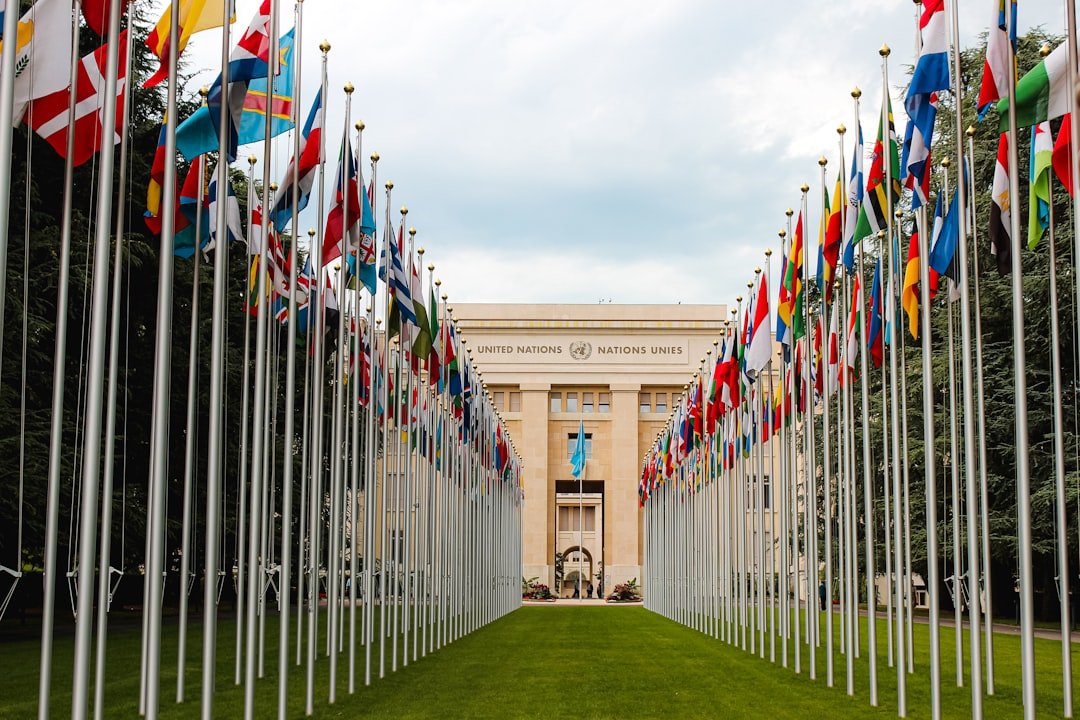
The United Nations Human Rights Council’s 63rd session has examined how systemic racism can be embedded in drug laws, policing practices and criminal-justice systems, with disproportionate consequences for Africans and people of African descent.
The dialogue considered report A/HRC/63/72 from the International Independent Expert Mechanism to Advance Racial Justice and Equality in Law Enforcement, which assesses discrimination across drug-policy design, enforcement and sentencing.
The experts reported that racial profiling, intensive surveillance and stop-and-search practices can expose African-descended communities to higher rates of arrest and incarceration even where drug-use patterns are comparable with those of other groups.
The report also draws attention to sentencing disparities, including historically harsher penalties for substances associated with Black communities, and to the additional risks faced by African migrants because of insecure legal status and restricted access to lawyers.
Participants stressed that a public-health and human-security approach should replace enforcement strategies that criminalise poverty, marginalisation and addiction while failing to address the underlying causes of harmful drug use.
During the HRC63 discussion, delegations and civil-society organisations called for disaggregated data, independent oversight, effective remedies and meaningful participation by affected communities in the reform of drug laws and police practices.
The debate placed the issue within the Council’s wider Item 9 work on racism, racial discrimination, xenophobia and related intolerance, reinforcing calls for drug policy to comply fully with equality and other international human-rights obligations.
References
- OHCHR: A/HRC/63/72 — Systemic racism in the enforcement of drug laws and policies
- International Drug Policy Consortium: HRC63 drug-policy and racial-justice programme
- OHCHR HRC Portal: 63rd regular session programme and recordings